BPC-157 Peptide Therapy Side Effects: What Patients Should Know and How to Help Reduce Risks

Author: Karla K. Mioduchoski, FNP-BC
Reviewed by: Dr. Rosemary Daly, DO, DABPM
Quick Facts
- BPC-157 is commonly discussed in wellness-focused peptide therapy programs related to recovery and healing support.
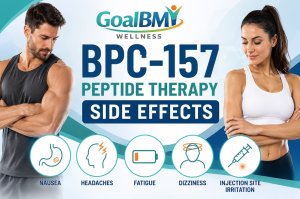
- Some patients report side effects such as nausea, headaches, fatigue, dizziness, or injection site irritation.
- Side effects may increase when peptides are used improperly or without medical supervision.
- Hydration, proper dosing, nutrition, and provider monitoring may help reduce unwanted effects.
- Patients should avoid purchasing peptides from unregulated online sources.
- Peptide therapy is not appropriate for every patient.
- Treatment recommendations should always be based on provider evaluation and individual health history.
As interest in peptide therapy continues growing, many patients are asking an important question:
“What are the side effects of BPC-157 peptide therapy — and how can they be prevented?”
At GoalBMI Wellness, patients exploring wellness-focused peptide therapy often want to better understand both the potential benefits and the possible risks before starting treatment.
According to Karla K. Mioduchoski, FNP-BC, most conversations about BPC-157 today focus not only on recovery support, but also on safety, dosing, realistic expectations, and medical supervision.
“Many patients hear about BPC-157 online before they ever speak with a medical provider,” says Karla K. Mioduchoski, FNP-BC. “A big part of our job is helping patients separate realistic wellness expectations from exaggerated internet claims.”
What Is BPC-157?
BPC-157 peptide therapy is a wellness-focused peptide program commonly discussed in recovery and healing support care.
Patients often ask about BPC-157 in relation to:
- recovery support
- exercise recovery
- inflammation support
- muscle wellness
- joint support
- gut wellness
- overall recovery optimization
Some patients refer to BPC-157 as the “Wolverine peptide” because of online discussions surrounding healing and recovery support. However, many claims found online are exaggerated or unsupported.
At GoalBMI Wellness, peptide therapy discussions are focused on individualized wellness care and provider-guided treatment planning.

Commonly Reported Side Effects of BPC-157
Not every patient experiences side effects. However, some individuals may report mild or temporary symptoms during peptide therapy.
“Most side effects patients report tend to be mild and temporary, especially when therapy is supervised appropriately,” explains Karla K. Mioduchoski, FNP-BC. “Problems are more likely to happen when patients self-dose or purchase peptides from questionable online sources.”
Potential side effects sometimes discussed include:
Nausea or Stomach Discomfort
Some patients report mild nausea, bloating, or digestive discomfort, especially when first starting therapy.
This may happen when:
- dosing is increased too quickly
- hydration is poor
- peptides are combined with other therapies
- injections are taken improperly
Headaches
Headaches are occasionally reported during peptide therapy.
In some cases, headaches may be related to:
- dehydration
- electrolyte imbalance
- poor sleep
- changes in appetite or nutrition habits
Patients who are also using GLP-1 medications sometimes experience overlapping symptoms.
Fatigue or Dizziness
Some individuals report temporary fatigue, lightheadedness, or low energy early during treatment.
This may be more common in patients who:
- are under-eating
- recently lost significant weight
- have poor protein intake
- are combining multiple wellness therapies simultaneously
Injection Site Reactions
Because many peptide therapies are injectable, patients may occasionally notice:
- redness
- swelling
- itching
- bruising
- tenderness
Injection technique and sterile handling matter significantly.
Why Some Patients Experience More Side Effects
Karla K. Mioduchoski, FNP-BC explains that side effects are often linked to how peptides are used — not simply the peptide itself.
Higher risks may occur when patients:
- self-dose without supervision
- buy peptides from unregulated websites
- use incorrect dosing
- combine multiple peptides improperly
- skip follow-up monitoring
- ignore nutrition and hydration
Patients sometimes assume peptide therapy is “natural” and therefore completely risk-free. That is not always true.
How Patients May Help Reduce the Risk of Side Effects
Start With Provider Evaluation
Medical evaluation matters before beginning peptide therapy.
Providers may review:
- current medications
- medical history
- weight history
- recovery goals
- lab work
- nutrition habits
This helps determine whether peptide therapy is appropriate.
Patients interested in learning more about broader peptide therapy programs in New York often begin with a provider-guided telehealth consultation.
Avoid Rapid Dose Escalation
Increasing doses too quickly may increase the chance of nausea, fatigue, or headaches.
Some patients tolerate gradual adjustments better than aggressive protocols.
Focus on Hydration and Protein Intake
Patients involved in wellness or weight loss programs sometimes unintentionally under-eat or become dehydrated.
Proper hydration and protein intake may help support:
- recovery
- energy levels
- muscle maintenance
- overall wellness
“Patients sometimes underestimate how much hydration, protein intake, and recovery habits affect how they feel during wellness therapy,” says Karla K. Mioduchoski, FNP-BC. “Recovery support is not just about injections — lifestyle factors matter too.”
Use Proper Injection Technique
Incorrect injection methods may increase irritation or bruising.
Patients should always follow provider instructions carefully.
Avoid Unregulated Online Peptides
One of the biggest concerns providers discuss today is the growing number of unregulated peptide products sold online.
Purity, sterility, dosing accuracy, and ingredient quality may vary significantly between sources.
Patients should avoid self-treating with peptides purchased from unknown suppliers.
“One of the biggest concerns today is product quality,” says Karla K. Mioduchoski, FNP-BC. “Patients should be extremely careful with unregulated peptide products sold online because purity and dosing may not always be reliable.”
Can BPC-157 Be Combined With GLP-1 Weight Loss Programs?
Some patients ask about peptide therapy while participating in medical weight loss programs involving semaglutide or tirzepatide.
Patients currently using tirzepatide weight loss programs or semaglutide wellness programs sometimes begin exploring recovery-focused peptide therapy during maintenance phases or long-term wellness planning.
“Some patients begin asking about peptide therapy after significant weight loss because their goals evolve,” explains Karla K. Mioduchoski, FNP-BC. “The conversation often shifts from appetite control toward recovery, muscle maintenance, wellness, and long-term support.”
In some cases, patients discuss peptide wellness support during:
- recovery phases
- exercise programs
- muscle maintenance
- long-term wellness planning
However, treatment decisions should always be individualized and medically supervised.
Peptide therapy and GLP-1 medications serve different purposes and are not direct replacements for one another.

When Patients Should Contact a Medical Provider
Patients should seek medical guidance if they experience:
- severe nausea or vomiting
- significant dizziness
- allergic-type reactions
- worsening symptoms
- unusual swelling
- persistent headaches
- concerning injection site reactions
Peptide therapy should never replace emergency medical care.
Telehealth Consultations Are Available
GoalBMI Wellness offers telehealth consultations for eligible patients interested in wellness-focused peptide therapy and medical weight loss programs.
During a consultation, providers may discuss:
- current symptoms
- wellness goals
- medication history
- possible side effects
- treatment expectations
- individualized wellness recommendations
“Telehealth consultations allow patients to ask detailed questions about side effects, recovery expectations, and whether peptide therapy even makes sense for their goals,” says Karla K. Mioduchoski, FNP-BC.
Recommendations are based on provider evaluation, clinical judgment, and patient eligibility.

Final Thoughts
BPC-157 peptide therapy continues gaining attention in wellness and recovery-focused care, but patients should understand that peptide therapy is not risk-free.
Most side effects discussed with BPC-157 are mild and temporary, but proper medical supervision, realistic expectations, hydration, nutrition, and safe dosing practices all matter.
“Peptide therapy should always be approached thoughtfully and realistically,” says Karla K. Mioduchoski, FNP-BC. “The safest approach is individualized care guided by a licensed medical provider familiar with both wellness therapies and overall patient health.”
For patients exploring recovery-focused wellness support, the safest approach is working with a licensed provider familiar with both peptide wellness therapies and GLP-1-based medical weight loss care.
Frequently Asked Questions
Does BPC-157 cause side effects?
Some patients report mild side effects such as nausea, headaches, fatigue, dizziness, or injection site irritation. Individual experiences vary.
How can patients reduce BPC-157 side effects?
Provider supervision, hydration, gradual dosing, proper nutrition, and safe injection technique may help reduce risks.
Is BPC-157 FDA-approved?
Some peptide therapies discussed in wellness care are not FDA-approved for specific medical conditions or weight loss purposes.
Can BPC-157 help with recovery?
Some patients explore BPC-157 wellness programs for recovery-focused goals. Individual outcomes vary.
Is telehealth peptide therapy available?
Eligible patients may qualify for telehealth wellness consultations depending on provider evaluation and participating states.
To help patients better understand peptide wellness therapy, providers at GoalBMI Wellness frequently answer questions related to side effects, recovery support, hydration, dosing, and telehealth eligibility.
Medical Disclaimer
This article is for informational purposes only and does not provide medical advice, diagnosis, or treatment. Peptide therapies should only be used under the supervision of a licensed healthcare provider.
Compounded medications or peptides, if prescribed, are not FDA-approved and may be prepared by state-licensed 503A compounding pharmacies based on individual patient needs. Individual results vary.


-
Monday – Friday:: 9:00 AM – 8:00 PMSaturday:: 9:00 AM – 4:00 PMSunday:: 12:00 PM – 8:00 PM
Real Patient Transformations