
How to Inject Peptides at Home: Safe Injection Sites & Step-by-Step Instructions
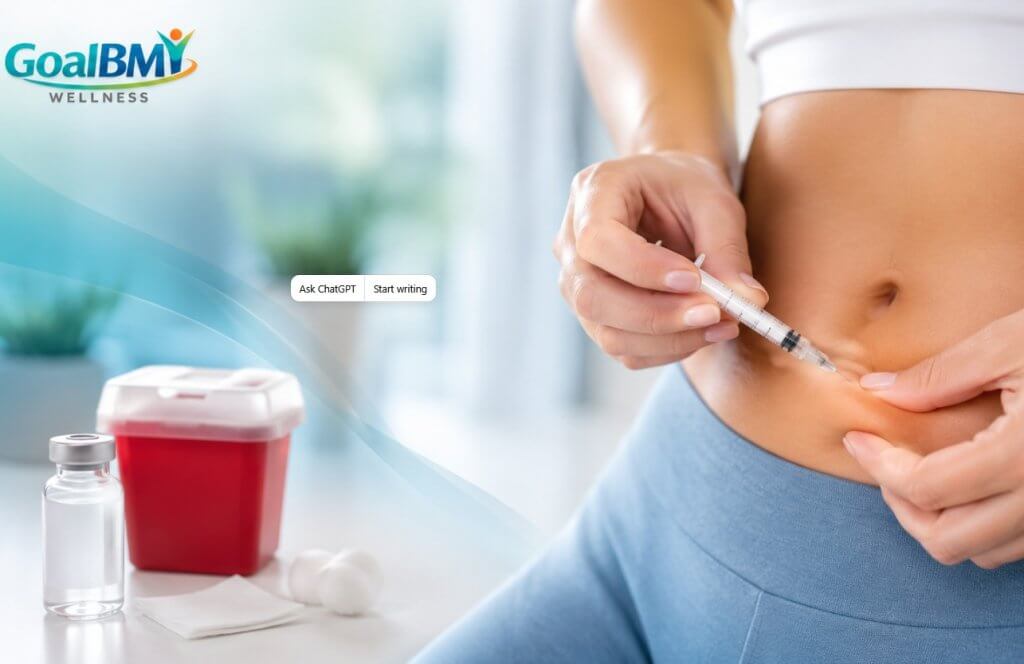
Complete Peptide Injection Guide
Starting peptide therapy often comes with practical questions: Where should the injection be given? How should injection sites be rotated? What steps can help reduce bruising, irritation, or discomfort? This physician-guided educational resource explains common subcutaneous peptide injection sites and general techniques to help patients feel better prepared for treatment.
Watch this GoalBMI Wellness educational video to learn about common subcutaneous peptide injection sites, basic injection technique, site rotation, and general safety practices. Always follow the individualized instructions provided by your healthcare provider and dispensing pharmacy.
Where Are Peptide Injections Commonly Given?
Many prescribed injectable peptide programs use a subcutaneous injection, meaning the medication is placed into the fatty tissue directly beneath the skin rather than into a muscle. Common sites may include the abdomen, outer thigh, or back of the upper arm when the medication instructions and healthcare provider permit.
Patients should use a different location for each injection and avoid skin that is bruised, red, swollen, tender, scarred, hardened, infected, or otherwise irritated. The appropriate site, needle angle, dose, schedule, and preparation method can differ by medication, body composition, syringe, and prescribing instructions.
Use Your Medication-Specific Instructions
This page provides general educational information and does not replace the instructions supplied with your prescribed medication. Peptides may be dispensed in different concentrations, vial sizes, syringes, and formulations. Your prescribed dose and number of syringe units must be confirmed from your personal treatment plan.
Review Your Prescription
Confirm the medication name, prescribed dose, concentration, injection schedule, storage instructions, and expiration or beyond-use date before preparing an injection.
Confirm the Syringe Units
Milligrams, milliliters, and syringe units are not interchangeable. Do not estimate the number of units or copy another patient’s dosing instructions.
Inspect the Medication
Follow the pharmacy’s instructions regarding appearance and storage. Do not use medication that appears abnormal, has been stored incorrectly, or is past its labeled use date.
Ask Before Injecting
Contact your provider or dispensing pharmacy before the injection when the dose, concentration, syringe markings, preparation method, or injection instructions are unclear.
Important: Do not begin, change, combine, or stop a peptide program without speaking with your prescribing healthcare provider. Never share needles, syringes, medication vials, or injection devices with another person.
Common Subcutaneous Peptide Injection Sites
Many injectable peptide therapies are administered into the subcutaneous fatty tissue directly beneath the skin rather than into the muscle. The appropriate injection site depends on the prescribed medication, body composition, syringe, and individualized instructions provided by your healthcare provider.
Commonly used areas may include the abdomen, outer thighs, back of the upper arms, and upper outer buttocks when permitted by the prescription instructions. Rotating injection sites helps give the skin and underlying tissue time to recover between injections.

Abdomen
The abdomen is frequently used because it is easy for many patients to reach and often contains accessible subcutaneous tissue. Choose an area at least two inches away from the belly button and avoid scars, bruises, stretch marks, redness, or irritated skin whenever possible.
Outer Thigh
The outer portion of either thigh may be appropriate for certain subcutaneous injections. Patients can alternate between the left and right thigh and select a different point within the chosen area each time.
Back of the Upper Arm
The fatty tissue on the back of the upper arm may be used when approved by the prescribing provider. Because this area can be difficult to reach correctly, some patients may require assistance.
Upper Outer Buttock
Some healthcare providers may permit the upper outer buttock as a subcutaneous injection location. Follow your individualized instructions regarding the exact site and administration technique.
Why Rotating Peptide Injection Sites Matters
Repeatedly injecting into the exact same location may increase tenderness, bruising, irritation, or tissue changes. A rotation plan allows each injection site time to recover and can make ongoing treatment more comfortable.
| Injection | Example Area | Suggested Location |
|---|---|---|
| Week 1 | Left Abdomen | Upper-left abdominal area |
| Week 2 | Right Abdomen | Upper-right abdominal area |
| Week 3 | Left Thigh | Outer portion of the thigh |
| Week 4 | Right Thigh | Outer portion of the thigh |
| Continue | Rotate Approved Sites | Avoid the exact location used previously |
Helpful tip: Record each injection location in your phone, calendar, or treatment log. Even when using the same general body area, move the next injection at least a small distance away from the previous point.
Where Should You Not Inject Peptides?
Select healthy, intact skin for each injection. Avoid areas that may increase discomfort, interfere with administration, or show signs of irritation, injury, or infection.

Bruised or Tender Skin
Avoid skin with active bruising, swelling, tenderness, or a recent injury. Wait until the area has healed before considering it again.
Scarred or Hardened Tissue
Significant scars, hardened areas, and tissue that feels unusually firm may make an injection less comfortable. Select healthy surrounding tissue instead.
Red or Inflamed Skin
Do not inject into skin that is red, warm, swollen, itchy, painful, irritated, or showing signs of a rash.
Possible Infection
Avoid areas with drainage, broken skin, spreading redness, increasing warmth, or other possible signs of infection.
Moles and Skin Lesions
Do not place the needle directly through a mole, raised lesion, open sore, or other abnormal area of skin.
Visible Veins
Avoid visible veins and vascular areas when performing a prescribed subcutaneous injection. Choose an approved area with healthy fatty tissue.
How to Perform a Subcutaneous Peptide Injection
After your healthcare provider has prescribed peptide therapy and reviewed your personalized treatment plan, following a consistent routine can help make injections more organized and comfortable. Preparation and administration instructions can vary by medication, concentration, syringe, and dispensing pharmacy.
The following steps provide general patient education only. Always use the exact instructions supplied by your prescribing provider and pharmacy.

Wash Your Hands
Wash your hands thoroughly with soap and warm water for at least 20 seconds before handling the medication, vial, syringe, or injection supplies.
Prepare Your Supplies
Gather the prescribed medication, a new sterile syringe and needle, alcohol swabs, clean gauze or a cotton ball, and an approved sharps disposal container.
Confirm the Medication and Dose
Check the medication name, concentration, prescribed dose, number of syringe units, storage instructions, and expiration or beyond-use date.
Inspect the Medication
Follow the dispensing pharmacy’s instructions regarding the expected appearance of the medication. Do not use a vial that appears damaged, contaminated, incorrectly stored, or different from what the pharmacy described.
Select a New Injection Site
Choose an approved area with healthy skin and subcutaneous tissue. Avoid the exact location used for the previous injection.
Clean the Skin
Wipe the selected injection site with an alcohol swab and allow it to air dry completely. Do not touch the cleaned area afterward.
Gently Pinch the Skin
Use your thumb and index finger to gently lift a fold of fatty tissue when instructed to do so by your healthcare provider.
Insert the Needle
Insert the needle using the angle and technique recommended for your syringe, needle length, body composition, and prescribed medication.
Inject the Medication Slowly
Press the plunger steadily until the prescribed medication has been administered. Avoid rushing or changing the dose during the injection.
Remove the Needle
Gently withdraw the needle using the same angle at which it entered. Apply light pressure with clean gauze if needed, but do not rub the area.
Dispose of the Syringe Safely
Immediately place the used needle and syringe into an approved sharps container. Never reuse, recap, share, or leave a used needle unsecured.
Record the Injection
Note the medication, dose, date, time, and injection location. Recording each site can make future rotation easier.
Quick Checklist Before Every Injection
Should a Subcutaneous Peptide Injection Hurt?
Many patients describe subcutaneous injections as causing only brief or mild discomfort. Using a new sterile needle, allowing the alcohol to dry fully, rotating injection sites, keeping the hands steady, and administering the medication slowly may improve comfort.
Mild temporary tenderness, a small bruise, or limited redness can sometimes occur. Contact your healthcare provider if pain is severe, symptoms are worsening, or you notice spreading redness, significant swelling, drainage, fever, or another unexpected reaction.
Common Injection-Site Reactions
Mild injection-site reactions can occur after a subcutaneous peptide injection. These reactions are often temporary, but patients should continue monitoring the area and contact their healthcare provider when symptoms are severe, worsening, or do not improve.
Mild Redness
A small area of temporary redness may develop around the injection site. Avoid scratching or repeatedly touching the area while it settles.
Minor Bruising
Small bruises may occur when a tiny blood vessel beneath the skin is affected. Rotating sites and avoiding visible veins may help reduce bruising.
Temporary Tenderness
Some patients notice mild soreness or sensitivity for a short time after the injection, particularly when the same general area is used frequently.
Small Raised Area
A temporary bump may occasionally appear beneath the skin. Do not massage the area unless your healthcare provider specifically recommends it.
Comfort Tip: Allow the alcohol to dry fully before injecting, use a new sterile needle, avoid injecting medication that is extremely cold unless instructed otherwise, and administer the medication slowly according to your prescription instructions.
Common Peptide Injection Mistakes
Guessing the Syringe Units
Never calculate or estimate syringe units without confirming the medication concentration and prescribed dose. The same number of units can represent a different dose when the concentration changes.
Using the Same Exact Spot
Repeatedly injecting into one location may increase irritation, soreness, bruising, or tissue changes. Rotate both the general site and the precise injection point.
Injecting Before the Alcohol Dries
Inserting the needle while the skin is still wet with alcohol may cause additional stinging. Allow the cleaned area to air dry completely.
Reusing a Needle or Syringe
Needles and syringes should be used only once. Reuse can increase contamination, infection, tissue damage, and dosing risks.
Touching the Cleaned Area
After cleaning the skin, avoid touching the intended injection site with your fingers before inserting the needle.
Injecting Into Irritated Skin
Do not inject into skin that is red, swollen, bruised, painful, infected, hardened, scarred, or otherwise damaged.
Changing the Dose Without Approval
Do not increase, decrease, split, repeat, or skip doses unless your prescribing healthcare provider has instructed you to do so.
When Should You Contact Your Healthcare Provider?
Contact your prescribing provider or seek appropriate medical care when you experience an unexpected reaction, are unsure whether an injection was administered correctly, or need clarification about your medication, dose, concentration, or schedule.
Persistent Skin Symptoms
Contact your provider if redness, warmth, swelling, pain, or a lump continues to worsen or does not improve within the expected period.
Possible Infection
Seek medical guidance for drainage, spreading redness, increasing warmth, fever, chills, or significant tenderness around the injection site.
Medication or Dosing Error
Contact your provider or pharmacy promptly if you believe you used the wrong medication, concentration, syringe, dose, or injection schedule.
Unexpected Symptoms
Report severe, rapidly worsening, or unusual symptoms that begin after an injection, even when they do not appear directly at the injection site.
Emergency warning: Seek immediate emergency medical care for difficulty breathing, swelling of the face, lips, tongue, or throat, fainting, severe dizziness, widespread hives, chest pain, or other signs of a potentially serious allergic or medical reaction.
What If You Are Unsure Whether the Full Dose Was Injected?
Do not automatically repeat the injection. If medication leaked onto the skin, the syringe did not appear to empty, the needle was removed early, or you are uncertain whether the correct dose was administered, contact your prescribing provider or dispensing pharmacy for individualized instructions.
Giving an additional dose without guidance may result in receiving more medication than prescribed. Write down what happened, including the medication name, dose, time, injection site, and any amount that may have leaked, so your healthcare team can better advise you.
Peptide Injection Sites and Technique FAQs
Where is the best place to inject peptides?
The abdomen is commonly used for subcutaneous peptide injections because it is easy for many patients to reach and often contains accessible fatty tissue. The outer thighs, backs of the upper arms, and upper outer buttocks may also be appropriate when permitted by your healthcare provider and medication instructions.
How far from the belly button should I inject?
Patients are commonly advised to select an abdominal injection site at least two inches away from the belly button. Avoid scars, bruises, stretch marks, redness, tenderness, hardened tissue, and irritated skin.
Should I rotate peptide injection sites?
Yes. Rotating injection sites may reduce soreness, bruising, irritation, and tissue changes. Even when using the same general area, such as the abdomen, choose a different precise location for each injection.
Can I inject into the same area every week?
You may be able to use the same general body area if your provider permits it, but you should avoid injecting into the exact same point repeatedly. Move each new injection away from the previous location and maintain a simple rotation record.
Can I inject peptides into my thigh?
The outer thigh may be used for certain prescribed subcutaneous peptide injections. Follow your provider’s instructions regarding the appropriate portion of the thigh, needle angle, and injection technique.
Can peptide injections be given in the upper arm?
The fatty tissue on the back of the upper arm may be appropriate for some subcutaneous injections. Because this location can be difficult to reach correctly, assistance may be needed.
Should I pinch the skin before injecting?
Some patients are instructed to gently pinch a fold of fatty tissue before inserting the needle. The correct technique depends on your body composition, syringe, needle length, medication, and provider instructions.
What angle should be used for a subcutaneous injection?
Many subcutaneous injections are administered at a 90-degree angle, while a 45-degree angle may be recommended in certain situations. Use the angle specifically recommended by your healthcare provider or dispensing pharmacy.
What should I do if medication leaks from the injection site?
Do not automatically administer another dose. Record what happened and contact your prescribing provider or dispensing pharmacy for guidance. Repeating the injection without instructions could result in receiving more medication than prescribed.
Is redness or bruising after a peptide injection normal?
Mild temporary redness, tenderness, or a small bruise may occur after a subcutaneous injection. Contact your provider if symptoms are severe, worsening, spreading, accompanied by drainage or fever, or do not improve as expected.
Peptide Calculators and Treatment Guides
GoalBMI Wellness provides educational calculators and treatment resources to help patients better understand peptide concentrations, syringe units, dosing terminology, and physician-guided wellness programs.
Calculator notice: Educational calculators do not determine your prescription. Always confirm your medication concentration, prescribed dose, and syringe units using the instructions supplied by your healthcare provider and dispensing pharmacy.
Related Physician-Guided Peptide Programs
Eligible adults in New York may explore personalized peptide therapy programs through secure telehealth consultations with GoalBMI Wellness. Treatment recommendations depend on medical history, wellness goals, provider evaluation, and clinical appropriateness.
Have Questions About Your Peptide Injection Instructions?
Every peptide prescription may have a different concentration, dose, syringe-unit measurement, storage requirement, and injection schedule. Do not guess when any part of your treatment instructions is unclear.
Eligible New York patients can schedule a secure consultation with GoalBMI Wellness to discuss physician-guided peptide therapy, personalized treatment options, and ongoing telehealth support.





-
Monday – Friday:: 9:00 AM – 8:00 PMSaturday:: 9:00 AM – 4:00 PMSunday:: 12:00 PM – 8:00 PM